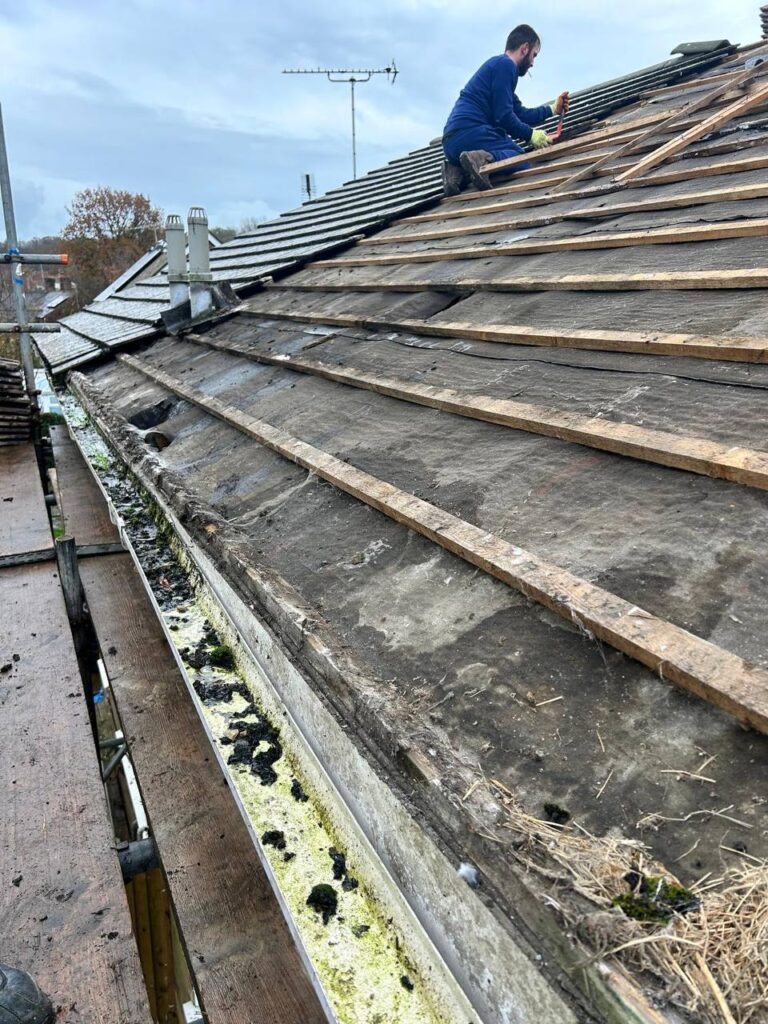
Leadwork is one of the most reliable and time-tested materials used in roofing, offering exceptional weather protection and durability. When installed correctly, it can last for decades, providing watertight seals around vulnerable areas such as chimneys, valleys, dormers, and roof junctions. However, achieving this level of performance requires professional craftsmanship and precision. At Dereham Roofing Services, we provide expert leadwork installation throughout Dereham, Norfolk, ensuring roofs are properly protected and built to stand the test of time.
Understanding the Role of Leadwork in Roofing
Leadwork serves a crucial function in preventing water ingress in complex or exposed areas of a roof. Its flexibility allows it to form tight seals, adapting to different shapes and roof designs.
Common Areas Where Leadwork Is Used
- Chimney Flashings: Seals the gap between the chimney stack and the roof to prevent leaks.
- Valleys: Directs rainwater safely off the roof and into guttering systems.
- Dormer Windows: Provides watertight protection where the dormer meets the main roof.
- Roof Junctions: Ensures seamless connections between roof sections or materials.
- Parapet Walls and Gutters: Acts as a durable lining to prevent water seepage.
Properly installed leadwork not only enhances the roof’s weatherproofing but also contributes to its overall longevity and structural integrity.
Why Professional Leadwork Installation Matters
While lead is highly durable, its performance depends entirely on correct installation techniques. Poorly fitted or undersized lead sheets can lead to cracking, warping, or leaks over time. Professional installation ensures the material’s properties are fully utilised, delivering long-lasting results.
1. Precision and Expertise
Professional roofers understand how to shape, dress, and fix lead in a way that prevents stress points and allows for natural expansion and contraction. This avoids cracking, one of the most common issues caused by poor installation.
2. Long-Term Weather Resistance
Lead naturally resists corrosion and damage from extreme weather conditions, making it ideal for the UK’s variable climate. Professionally installed leadwork provides a tight, lasting seal that protects against wind-driven rain, snow, and frost.
3. Enhanced Roof Aesthetics
When installed correctly, lead adds a traditional, high-quality finish to any property. Skilled workmanship ensures clean lines and neat detailing, which complements both modern and period-style architecture.
4. Reduced Maintenance
Because lead is incredibly durable, roofs with properly installed leadwork require minimal maintenance. The material naturally forms a protective patina that prevents corrosion, meaning fewer repairs and long-term reliability.
5. Excellent Compatibility with Other Roofing Materials
Leadwork can be integrated with slate, tile, or flat roof coverings, making it suitable for a wide range of roof types. At Dereham Roofing Services, we ensure all installations are carefully matched to the existing roofing materials, providing both function and visual harmony.
How Professional Leadwork Prevents Common Roofing Problems
Incorrect or ageing leadwork is one of the most frequent causes of roof leaks, particularly around chimneys and valleys. Professional leadwork installation eliminates these vulnerabilities by creating a continuous, watertight barrier.
Protecting Against Water Ingress
Lead flashing directs rainwater away from exposed joints, preventing it from seeping into underlying structures. Without it, moisture can infiltrate and cause rot, dampness, and structural damage over time.
Preventing Heat Movement Cracks
Lead expands and contracts slightly with temperature changes. A professional roofer accounts for this by installing lead in properly sized sections and fixing it in a way that allows movement without damage.
Strengthening Roof Junctions
Where different roofing elements meet, such as dormers or parapets, lead provides a secure seal that supports the overall structure and prevents weak spots from forming.
The Process of Professional Leadwork Installation
Installing leadwork requires accuracy, patience, and experience. The process involves multiple steps to ensure every joint and surface is properly sealed and finished.
- Assessment and Preparation: The roofing area is inspected to determine where leadwork is needed and how it should be applied for optimal performance.
- Material Selection: The appropriate lead code (thickness and grade) is chosen based on location and function — heavier grades for valleys, lighter ones for flashings.
- Shaping and Dressing: The lead is carefully cut and shaped to fit perfectly against the roof’s contours without overstretching or stress.
- Fixing and Sealing: The lead is secured with correct fixings, then sealed to prevent any gaps or water entry.
- Finishing Touches: Edges are smoothed and treated to achieve a clean, professional appearance.
This attention to detail ensures the roof performs reliably and maintains a high-quality finish for years to come.
Environmental and Sustainable Advantages of Leadwork
Lead is a sustainable roofing material that aligns with modern environmental standards. Unlike synthetic materials, it is fully recyclable and can be reused multiple times without losing its effectiveness. Its longevity also reduces waste, as roofs with leadwork rarely need frequent replacement.
Additional Sustainability Benefits
- Low Carbon Footprint: Lead has one of the lowest energy requirements of all roofing materials.
- Long Service Life: Properly installed leadwork can last for more than 100 years.
- Minimal Maintenance: Fewer repairs and replacements mean less material waste over time.
At Dereham Roofing Services, we combine traditional craftsmanship with environmentally conscious practices, ensuring that every installation provides both performance and sustainability.
When to Consider Leadwork Repairs or Replacement
Even though leadwork is long-lasting, it can deteriorate over time due to natural wear or improper installation. Signs that your roof may need professional attention include:
- Cracked or split lead flashings
- Water leaks around chimneys or roof junctions
- Loose or missing sections of lead
- Visible corrosion or staining on brickwork
Addressing these issues promptly helps prevent further damage and extends the life of your roofing system.
Conclusion
Leadwork remains one of the most effective methods of protecting roofs from the elements, but its performance depends on the skill of the installer. Professional craftsmanship ensures durability, watertightness, and an attractive finish that enhances any property.
Dereham Roofing Services offers expert leadwork installation across Dereham, Norfolk. With precise workmanship and attention to detail, we provide lead solutions that not only protect your home but also add long-term value and aesthetic appeal. For reliable, high-quality leadwork, homeowners can trust Dereham Roofing Services to deliver lasting results.
Call us on: 01362 702 197
Click here to find out more about Dereham Roofing Services
Click here to complete our contact form and see how we can help with your roofing needs.